





close

Business

Business

How Creative Studio Spaces Shape Modern Media Production

The production of media has changed at a blistering rate. Massive crews, outdoor setups, and complex logistics are now unnecessary since they can be carried out within flexible, well-equipped creative studios.

Film makers, content creators, advertisers and streaming teams are more dependent on the studio environments than ever before, particularly those who make use of Production studio rental services to remain effective, creative and cost efficient.

As the industry grows, creative studio spaces are no longer limited to four walls and a camera. They have become the foundation of modern production. From television series and commercial shootings to social media videos and product campaigns, the right studio influences the style, feel, and quality of each project.

Let’s look at how studio spaces affect today’s media scene and why picking the correct one is important.

  1. Studios Give Creators Total Control Over Their Environment

The beauty of outdoor shoots is associated with unpredictable weather, changes in lighting, and noises of the environment. All these problems are solved using creative studio spaces where one has total control of all aspects of production.

In a studio, teams can manage:

  • Light intensity and color.
  • Sound quality
  • Set design and placement
  • Backgrounds and textures
  • Temperature and comfort

Such a closed space allows achieving continuity, which is crucial in TV programs, sponsored content, and product video. Creators do not have to spend hours to adapt to the natural conditions, but just create the world they desire in the studio.

The M3 Studios is good in this regard. Their phases were specifically designed to provide film and media teams with the stability and control of high-quality productions.

  1. Modern Studios Offer Flexibility for Every Type of Content

The world of the creative has stopped being only about films or TV. The current output of media incorporates:

  • Streaming content
  • Social media videos
  • Advertisements and marketing activities.
  • E-business and product photography.
  • Music videos
  • Virtual productions
  • Live broadcasts

Such a change implies that studios have to be versatile. The most talented creative studio spaces enable the teams to alternate styles of shooting with ease, with variable stage sizes, backgrounds, rigging setups as well as lighting grids.

When productions rent a Production studio, they are provided with the options of a wide range of room types, such as cycloramas, green screens, soundstages, rehearsal, and other types. This flexibility allows creators to shoot several scenes/concepts at the same place without wasting their precious time.

  1. Creative Studios Support high-quality audio and visual production

Quality is all in the modern media. Regardless of platform, the viewers demand a crisp visual, high-quality audio, and production, as well as high value. Creative studios are made to help along with these expectations by providing:

  • Sound-treated stages.
  • Power systems with large capacity.
  • Professional lighting systems.
  • Camera friendly wall finishes.
  • Specialized flooring.
  • Climate control to protect equipment.

No matter whether you are shooting a commercial or recording interviews for a documentary, studio settings are the same throughout the entire recording.

This amount of technical assistance is available in the studio such as M3 studio where media teams do not have to worry about troubleshooting but instead concentrate on the creativity.

  1. The Rise of Virtual Production Makes Studios Even More Important

Virtual filmmaking has become one of the largest changes in the modern production. Green screens, LED walls, and digital worlds enable the team to shoot scenes that appear to be in any place in the world, regardless of where they are in the studio. These new technologies are now fitted with creative studio spaces. Media companies can:

  • Build CGI environments
  • Combine real-life backdrop and computer-generated image.
  • Add real-time digital scenery.
  • Reduce travel costs
  • Quicken production schedules.

Virtual production has opened the door for incredible creativity. Since Miami is now becoming a popular place to shoot, studios such as M3 Studios Miami are making heavy investments in equipment required to sustain this booming business.

  1. Creative Studios Provides Essential Support Spaces

Behind every polished video is an efficient team working off-camera. This is why the stage is not the only reason behind the creative studios nowadays; there is also support space that makes productions run smoothly. These often include:

  • Dressing rooms
  • Makeup and hair studios
  • Wardrobe areas
  • Production offices
  • Conference rooms
  • Client lounges
  • Storage areas
  • Green rooms

In the absence of such spaces, production days reduce, and there is a slow flow in creativity. Full ecosystem studios simplify the work of all departments, such as directors and stylists, lighting techs and actors.

  1. Studios Promote Collaboration & Creativity

Creative work thrives in the right atmosphere. When team is supported, comfortable, and inspired, the quality of the end product shows it.  Studio rentals are communal centers where:

  • Directors and cinematographers develop visual plans.
  • Manufacturers organize logistics.
  • Set designers creates Immersive environment.
  • Talent makes preparations comfortably.
  • Digital artists and editors join early discussions.

Choosing to be in the same room tends to make people feel united and also enhances communication which is essential when it comes to TV shows, adverts, and more complicated projects.

  1. Studio Rentals Make Production affordable and small-scale.

Creating a shooting space on your own is costly and not practical to the majority of creators. By renting studio, teams have the privilege of using high-end facilities without the ownership obligation. It is also easy to scale up or down depending on the size of the project.

A Production studio rental is flexible to meet your budget, time frame and creative ambitions, whether you are shooting one or two interviews or a complete commercial campaign.

Final Thoughts

Creative studio spaces are shaping the future of modern media. Providing total control over the environment, supporting virtual production, and collaboration of the team, the right studio may take any project to the next level. And with the demand of the professional-grade content on the rise, selecting the suitable environment is more significant than ever.

M3 Studios provides the best solutions to creators, agencies, and production teams. It has versatile stages, a high-tech production environment and a campus that can accommodate all creative requirements, which makes it the best option to anyone searching for professional Production studio rental facilities that can assist in meeting their big ideas.

read more
Business

The Role of PC Pumps in Reducing Downtime and Operational Costs

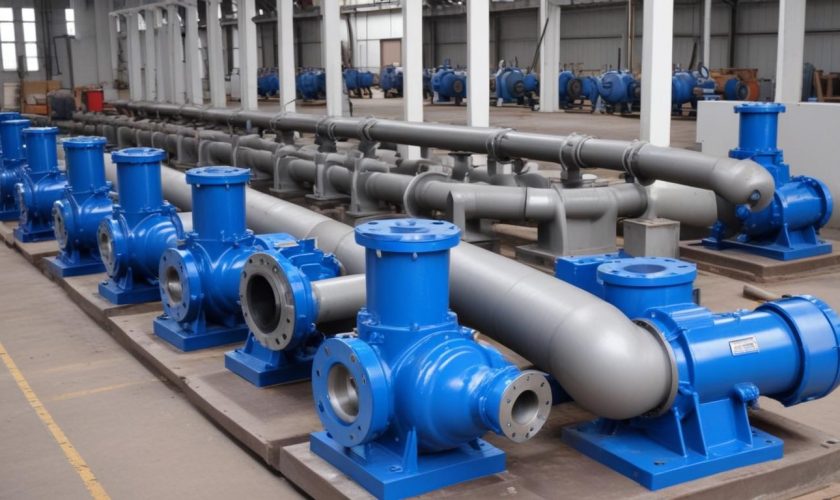
In industrial operations where productivity and efficiency are crucial, minimizing downtime and operational costs is a priority. PC pumps, a reliable type of positive displacement pump, have become essential components in many industries due to their ability to handle challenging fluids with precision and durability. This article sheds light on how pc pumps contribute significantly to reducing downtime and lowering operational costs, the importance of choosing quality pumps, and how industries benefit from investing in the right pumping technology.

Understanding PC Pumps and Their Functionality

PC pumps (progressive cavity pumps) are designed to move fluids through a series of small, fixed-shape cavities created by a helical rotor turning within a stator. This mechanism ensures smooth, non-pulsating flow at controlled rates.

Characteristics making pc pumps well-suited for industrial applications include:

  • Handling of Viscous and Abrasive Fluids: Effortlessly transports thick liquids, sludges, and solids-laden fluids without clogging.
  • Gentle Pumping Action: Protects shear-sensitive fluids, including food-grade and chemical products.
  • Self-Priming and Dry-Running Capabilities: Enhances start-up flexibility and resilience to operational interruptions.
  • Consistent Flow at Varied Pressures: Enables accurate dosing and process control.

These operational strengths underpin their widespread industrial use.

How PC Pumps Reduce Downtime in Industrial Processes

Downtime can lead to significant losses, impacting production schedules and revenue. PC pumps help mitigate these disruptions through:

  • Reliable and Robust Design: Engineered with durable materials and construction, pc pumps withstand abrasive wear, corrosion, and mechanical stress.
  • Minimal Clogging and Blockages: Their cavity-based flow path reduces obstruction risk even with solids-laden media, reducing stoppages.
  • Ease of Maintenance: Modular designs allow quick access to rotors, stators, and seals, facilitating rapid repairs and reducing service time.
  • Extended Service Life: Quality pumps are less prone to frequent breakdowns, prolonging robust functioning.
  • Operational Stability: Steady, pulseless flow prevents system shocks and damage to downstream equipment.

By ensuring continuous operation and ease of servicing, pc pumps keep processes running longer without costly interruptions.

Impact of Quality Pumps on Operational Costs

Investing in quality pumps yields significant cost savings over time by:

  • Enhancing Energy Efficiency: Well-designed pc pumps consume less power for moving high-viscosity or abrasive fluids, decreasing utility expenses.
  • Lowering Repair and Replacement Frequency: Durable materials and high manufacturing standards reduce wear and extend pump lifespan.
  • Reducing Waste and Spillage: Precise flow control minimizes fluid loss and contamination, improving raw material utilization.
  • Improving Process Consistency: Stable operation means better product quality, less rework, and fewer quality-related complaints.
  • Minimizing Labor Costs: Less frequent breakdowns and maintenance requirements reduce labor costs.

These cost efficiencies contribute directly to improved profitability and operational budgeting.

Industries Benefiting Most from PC Pump Deployment

PC pumps find applications across sectors requiring specialized fluid handling that reduces downtime:

  • Wastewater Treatment: Efficient sludge handling and chemical dosing with minimal clogs.
  • Oil and Gas: Handling heavy crude, drilling muds, and polymers resistant to wear and extreme pressures.
  • Food and Beverage: Hygienic, low-shear pumping of viscous products such as sauces, creams, and chocolate.
  • Chemical Processing: Safe transport of corrosive and hazardous fluids at controlled flow rates.
  • Pulp and Paper: Consistent transport of fibrous slurries without damage.

Their ability to maintain continuous flow and handle challenging fluids reshapes industrial effectiveness.

Best Practices for Maximizing PC Pump Performance

To optimize downtime reduction and cost savings with pc pumps, ensure:

  • Proper Pump Selection: Match pump specifications to fluid characteristics and process requirements.
  • Routine Maintenance: Scheduled inspection and part replacement fend off unexpected failures.
  • Operator Training: Skilled handling prevents misuse and strengthens preventive measures.
  • Environmental Monitoring: Avoid operating outside temperature or chemical compatibility limits to prevent accelerated wear.
  • Use of Genuine Spare Parts: Ensures compatibility and prolongs service life.

Diligent operation and upkeep unlock the full benefit of these quality pumps.

Investing in PC Pumps For Sustainable Efficiency Gains

PC pumps play a strategic role in reducing downtime and operational costs across multiple industries thanks to their durable construction, precise flow control, and ability to handle complex fluids without clogging or damage. When quality pumps are chosen, benefits extend beyond performance to energy savings, process stability, and maintenance efficiency. Companies prioritizing these pumps strengthen their operational resilience and position themselves for long-term competitive advantage.

read more
Business

How Technology Is Transforming Warehouse for Rent Facilities

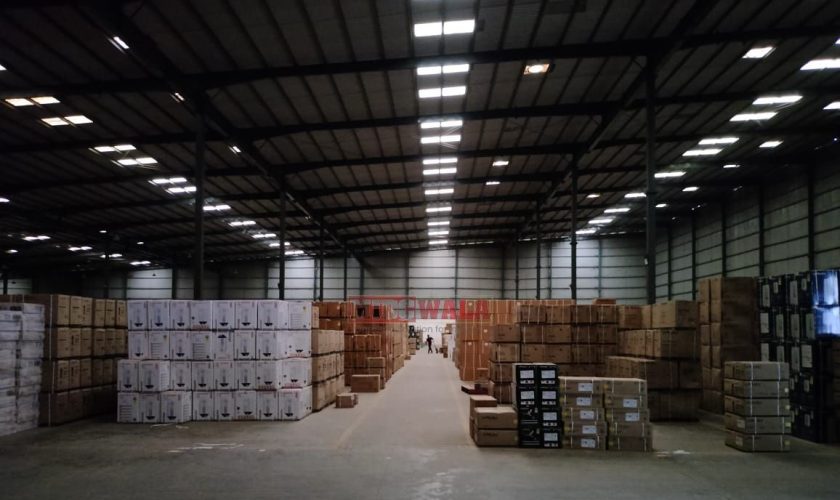
The way businesses store, manage, and move their goods is changing faster than ever. With the rise of new tools and digital solutions, a modern warehouse for rent is no longer just a place to store inventory. It has become a smart, tech-powered space designed to improve efficiency, reduce delays, and support growing businesses. For young entrepreneurs and fast-growing companies in the UAE, this shift brings exciting opportunities to scale faster with fewer challenges.

Technology has made the typical warehouse for rent more connected, secure, and convenient. Today, companies can manage stock levels, monitor operations in real time, and track goods with higher accuracy. This means fewer mistakes, smoother workflows, and faster deliveries—something every business wants in a competitive market.

Smart Inventory Management

One of the biggest advantages of technology in warehouse spaces is better inventory control. Digital inventory systems can now track stock in real time, helping businesses know exactly what is available, what is selling fast, and what needs to be reordered. This reduces the risk of shortages or overstocking.

Barcode scanning, RFID tags, and cloud-based software make these systems more powerful than ever. With just a few clicks, business owners can monitor product movement across the warehouse, check stock levels, and plan their next steps with confidence. This level of visibility was difficult to imagine a few years ago, but today it has become the new normal.

Robotics and Automation

Automation is changing how warehouse operations run. Instead of relying entirely on manual processes, many facilities now use robotic arms, automated conveyor belts, and sorting machines to speed up routine tasks. These tools help reduce human error and improve overall safety.

Even simple automation—like smart sorting or voice-assisted picking—can significantly increase productivity. For businesses using a warehouse for rent, automation means faster order handling, shorter delivery times, and a better experience for customers. It also allows teams to focus on more strategic tasks instead of repetitive manual work.

Improved Security and Monitoring

Security is a major priority for every business, and modern technology has taken warehouse security to the next level. Advanced surveillance systems, smart access control, and 24/7 monitoring ensure that goods are protected at all times.

Smart cameras can now detect unusual movements, send alerts instantly, and store footage securely. Access cards and digital locks help ensure that only authorized people can enter the warehouse. This gives businesses peace of mind, especially when storing high-value items or sensitive products.

Energy-Efficient and Sustainable Operations

Technology has also made warehouses more eco-friendly. Automated lighting, energy-efficient cooling systems, and smart power controls help reduce energy consumption. Some facilities even use solar-powered solutions or motion-based lighting systems to save electricity.

These improvements don’t just help the environment—they also reduce operational costs for businesses. For young startups managing a warehouse for rent, lower utility bills can make a big difference in long-term growth.

Data-Driven Decisions

Every action inside a warehouse generates data. With modern analytics tools, businesses can make better decisions based on this information. For example, they can study peak order times, delivery patterns, or stock movement to optimize their processes.

Data also helps companies forecast demand more accurately. Instead of guessing how much stock will be needed next month, analytics tools provide insights based on trends. This helps avoid losses, improve planning, and keep operations running smoothly.

Faster Communication and Collaboration

Technology has also made communication easier inside warehouse facilities. Mobile apps, digital dashboards, and cloud-based systems allow teams to coordinate tasks instantly. Everyone stays updated, problems are solved faster, and delays are reduced.

For businesses managing a warehouse for rent, seamless communication ensures that warehouse staff, logistics partners, and customers remain aligned at every step.

Conclusion

Technology is reshaping every part of the warehousing industry. Today, a warehouse for rent is more than just storage—it is a smart, secure, and efficient space that supports business growth. From automation and real-time inventory tracking to advanced security and energy-saving systems, these innovations make warehouse operations smoother and more reliable. For businesses in the UAE, embracing these modern facilities can lead to faster delivery, better customer experiences, and stronger overall performance.

read more
Business

Building Modern Security Standards with Solaren

In the changing landscape of professional security, one firm has made its mark by prioritizing both technology and human expertise. Solaren has established itself as a trusted provider by balancing traditional methods with forward-looking strategies that anticipate evolving threats. This approach has allowed the company to reinforce its role in Tennessee and across the southeastern United States, where demand for reliable security continues to grow.

At the heart of Solaren’s success is a structured commitment to training. Employees are expected to not only meet state certification requirements but also undergo specialized programs that simulate real-world challenges. These sessions include tactical care courses, report writing exercises, and technology training that ensures personnel are prepared for both routine and emergency situations. The emphasis on preparation reflects the leadership’s understanding that effective security depends on consistent education.

Alongside training, Solaren places significant value on recognition and accountability. Staff members who excel in performance evaluations are celebrated through awards and incentives, encouraging ongoing professional development. This system demonstrates the company’s investment in its workforce and highlights the belief that motivated and capable employees directly improve client outcomes. By reinforcing skill and dedication, the organization strengthens its ability to manage diverse environments.

Technology integration has also played a central role in expanding capabilities. Solaren uses advanced tools such as mobile surveillance platforms powered by renewable energy, enabling rapid deployment in large or remote areas. These innovations complement the work of on-the-ground officers by extending visibility and response capacity. The systems are equipped with artificial intelligence, adding layers of analysis to detect irregularities, while still requiring human oversight to ensure accuracy.

Balancing automation with human judgment is a principle that guides daily operations. While artificial intelligence can flag unusual patterns or activity, personnel are trained to validate findings and make informed decisions. This model prevents overreliance on machines and underscores the importance of experienced professionals. Solaren demonstrates that technology is most effective when it enhances rather than replaces human capability.

The company’s emphasis on planning further distinguishes its strategy. Events and assignments are prepared months in advance, ensuring that every officer knows their role and has access to the necessary equipment. Training on communication systems, surveillance devices, and radio protocols reduces the likelihood of oversight during critical moments. This detailed approach builds confidence among staff and clients alike.

Client feedback has shown that the integration of these methods provides a strong sense of reassurance. Businesses and institutions benefit from tailored solutions that combine visible presence with discreet technological monitoring. Solaren has expanded from a smaller operation to managing hundreds of contractors across Nashville, a growth trajectory made possible by this comprehensive model. As the organization expands its footprint, it continues to adapt offerings to meet the expectations of both existing and new clients.

Looking ahead, the firm remains committed to exploring new opportunities in cybersecurity and digital defense. Initiatives are under consideration to deploy systems capable of detecting attempted network breaches within specific zones. Such projects reflect a recognition that physical and digital security are increasingly connected. By pursuing innovations in this direction, Solaren is positioning itself to remain at the forefront of industry advancements.

The broader impact of these efforts can be seen in how the company approaches community and client trust. By developing skilled employees, integrating advanced technologies, and maintaining a focus on preparation, Solaren has created a security model that emphasizes reliability and professionalism. This approach not only benefits clients but also elevates standards within the industry. The firm’s continued growth suggests that its model of combined expertise and innovation will remain a benchmark for security providers.

read more
Business

Disruption from the Fringe: How Niche Tech Is Shaping Semiconductor Futures

The traditional semiconductor roadmap has always been guided by predictable steps, smaller nodes, better performance, and more efficient power use. But that roadmap is cracking. Today’s engineers are navigating unfamiliar territory, where breakthroughs don’t necessarily emerge from legacy platforms, but from ideas once considered fringe. Erik Hosler, a strategic voice at the crossroads of patterning innovation and emerging tech, believes that the industry’s future lies in its willingness to explore unconventional paths that were previously dismissed.

This shift was evident at the recent SPIE Advanced Lithography conference, where panelists and researchers emphasized how formerly niche technologies, like MEMS, MOEMS, and quantum photonics, are transitioning from academic curiosities to critical pieces in the semiconductor puzzle. As traditional lithography and scaling methods encounter physical and economic ceilings, niche tech is becoming essential, not optional, in crafting the next chapter of chip design and production.

What Counts as “Niche” Is Changing

Ten years ago, Micro-Electromechanical Systems (MEMS) and quantum optics had limited overlap with mainstream chipmaking. MEMS were largely relegated to sensors and actuators in consumer electronics. MOEMS, or Micro-Optoelectromechanical Systems, were even more specialized, used in devices like projection systems or optical switches. Quantum optics lived mostly in research papers.

But today, these technologies are crossing into the semiconductor fabrication landscape in surprising ways. MEMS-based actuators are now being explored for ultra-fine alignment in lithographic tools. MOEMS offer dynamic control of light paths for maskless lithography concepts. Quantum-enabled sensors may help detect sub-nanometer defects that elude conventional metrology.

The line between the core and fringe is blurring. A niche technology becomes mainstream the moment it solves a problem no other tool can. That moment is arriving more often as fabs wrestle with the atomic-scale challenges of 3nm and beyond.

A Platform for Asking Big Questions

This appetite for experimentation has become more visible in the industry’s most forward-looking forums. Erik Hosler remarks, “Last year, we included MEMS and MOEMS, and we will keep expanding to quantum to make this a place to ask questions … Lots of great things are going on, and something will emerge.” This comment, made in the context of expanding SPIE’s technical scope, underscores the growing importance of intellectual openness. The goal is not to push any one niche technology as a panacea, but to create a platform for exploration.

His observation also reflects a larger trend that the semiconductor ecosystem is becoming more porous. The barriers between academia and industry, between research and application, are breaking down. What was once dismissed as too exotic is now on stage, presented not as a curiosity but as a candidate solution. This mindset is essential in a time when no single discipline has all the answers. From stochastic defects to photonic integration, the next generation of chips will depend on the synthesis of disparate fields.

Quantum Photonics: From Theory to Tool

Of all the emerging technologies now on the industry’s radar, quantum photonics may be the most transformative. Researchers are exploring how entangled photons and squeezed light could one day improve inspection tools, reduce metrology noise, or even enable patterning processes that sidestep classical limits.

For now, quantum systems remain fragile and difficult to scale, but their potential is undeniable. Quantum sensors could improve defect detection and overlay accuracy by exploiting quantum-level interactions with materials.

While we’re far from industrial quantum lithography, we’re much closer to quantum-enhanced diagnostics. These tools won’t replace EUV, but they might extend its usefulness by offering new ways to monitor and adjust processes in real time.

The Role of Startups and Specialty Vendors

Niche technology thrives on focused innovation. Small, agile teams can iterate quickly, pushing past the inertia that often slows larger enterprises. It is where startups and specialized vendors come into play.

In fields like MOEMS and quantum optics, small companies are leading the way in component design, prototyping, and experimental tool development. Their contributions may not show up on quarterly earnings reports, but they are deeply embedded in the long-term technical roadmap.

Larger foundries are taking notice. Many are partnering with niche vendors for pilot projects, test chips, or proof-of-concept systems. This distributed model of innovation allows the ecosystem to hedge its bets, testing multiple approaches in parallel while still supporting existing production flows.

Building the Infrastructure for Integration

For niche tech to scale, it must eventually plug into mainstream manufacturing. It requires new interfaces, both technical and organizational. The supporting infrastructure must develop, from standardizing control protocols for MEMS devices to designing tool platforms that can incorporate photonic sensors.

Industry consortia and university partnerships are playing a key role here. Initiatives like imec’s AttoLab, which explores the fine-scale behavior of resist materials, exemplify how cross-institutional collaboration can bring niche ideas into applied research. These partnerships serve as a proving ground before full-scale fab integration.

As more niche tools enter the pilot phase, foundries will decide which to mainstream. Success will depend not only on technical merit but also on how well these tools can be supported, maintained, and integrated into high-volume workflows.

Cultural Disruption: Rethinking the Core vs. Peripheral

Perhaps niche tech’s most profound impact is cultural. The industry’s long-standing belief in centralized, linear roadmaps is giving way to a more networked, exploratory model. This development values questions as much as answers and tolerates ambiguity in the service of innovation.

Engineers are now likely to attend sessions on quantum sensing or bio-inspired computing, as they are to follow updates on EUV throughput. This intellectual curiosity is not just healthy, it’s necessary. By expanding the boundaries of what’s considered viable, niche tech challenges the industry to rethink where value comes from. It reminds us of the fact that disruption rarely arrives fully formed. More often, it starts on the fringe, gathering momentum until it reshapes the core.

Small Tech, Big Impact

The road ahead for semiconductor manufacturing will not be paved solely by larger wafers, higher doses, or faster steppers. It will be shaped by ideas currently incubating in labs and startups, ideas that break the mold.

Niche technologies like MEMS, MOEMS, and quantum tools are no longer fringe, but they are proving grounds for the future. They offer new ways to see, measure, and interact with the nano-world that defines chip performance. The challenge now is to stay open, support exploratory research, ask bigger questions, and recognize that sometimes, the biggest leaps forward begin at the margins.

read more
Business

Understanding Concussions: What to Know and How to Heal

A concussion is more than just a bump on the head—it’s a mild traumatic brain injury (TBI) that can have lasting effects if not properly managed. While concussions are often associated with sports injuries, they can occur in everyday situations like falls, car accidents, or even minor head collisions. Understanding the symptoms, treatment options, and the healing process is critical to protecting your long-term health.

Recognizing the Signs of a Concussion

Concussions disrupt normal brain function and often present a variety of symptoms. These can include:

  • Headache or pressure in the head
  • Confusion or a feeling of being “foggy”
  • Dizziness or balance issues
  • Nausea or vomiting
  • Sensitivity to light or noise
  • Slurred speech or delayed responses
  • Fatigue or drowsiness

Some people may also experience mood changes, irritability, or trouble concentrating. It’s important to remember that symptoms might not appear immediately after the injury—they can take hours or even days to develop.

Diagnosis and Immediate Care

If you suspect a concussion, seek medical evaluation right away. A healthcare provider will typically perform a neurological exam, assess memory and concentration, and may recommend imaging tests to rule out more serious brain injuries.

Rest is a key part of early recovery. This means both physical and mental rest—limiting screen time, avoiding strenuous activity, and giving your brain time to heal. Pushing through the symptoms can delay recovery and increase the risk of complications like second impact syndrome, which can be life-threatening.

Pathways to Recovery

Most people recover from a concussion within a few weeks, but for others, symptoms can persist longer. This condition, known as post-concussion syndrome, may require more targeted interventions. Treatments can include cognitive therapy, vestibular therapy, medication for symptoms like headaches or depression, and lifestyle adjustments.

One increasingly explored treatment option is hyperbaric oxygen therapy for TBI. This approach involves breathing pure oxygen in a pressurized chamber, which may promote healing by increasing oxygen supply to damaged brain tissue. Though research is still ongoing, many patients report symptom improvement with this therapy under medical supervision.

Preventing Future Concussions

Prevention plays a critical role, especially for those in contact sports or high-risk occupations. Wearing proper protective gear, using seat belts, maintaining home safety to prevent falls, and adhering to concussion protocols can significantly reduce your risk. For athletes, it’s essential to return to play only after full recovery and with medical clearance.

When to Seek Further Help

If symptoms worsen over time or new neurological signs develop—such as seizures, repeated vomiting, or loss of consciousness—immediate medical attention is necessary. Persistent issues like memory loss, emotional instability, or difficulty concentrating shouldn’t be ignored, as they may indicate a more complex injury.

Final Thoughts

Concussions can affect anyone, and their impact goes beyond the initial injury. Early recognition, proper treatment, and giving the brain adequate time to heal are vital for a full recovery. With growing research and emerging therapies, including non-invasive treatments like hyperbaric oxygen therapy, those suffering from TBIs have more options than ever for support and healing.

read more
Business

Why Backlit Banner Materials Make Sense for Mood and Message

In visually dynamic environments, capturing attention is just the first step; the real challenge lies in making a lasting impression. Whether you are showcasing an eye-catching product, directing foot traffic, or promoting a brand, the choice of material for your signage plays a crucial role in how your message is received. Among the available options, backlit banner materials are an excellent choice for those looking to enhance the atmosphere and communication. These materials illuminate your message and create an enchanting glow that makes your display unforgettable.

A Visually Striking Solution

Backlit banners are engineered to be illuminated from behind, creating a vivid, high-contrast display that grabs attention even in low-light settings. The special material allows for even light diffusion, which means your images and text appear sharp and vibrant without glare or uneven shadows. This makes them ideal for busy public spaces like airports, shopping centres, and exhibitions where competition for visibility is fierce.

In addition to their enhanced brightness, backlit banners lend a sleek, polished look that instantly elevates the perceived quality of a brand or event. Whether you are designing something modern and minimal or bold and colorful, the lighting helps emphasize your creative choices.

Reinforcing Atmosphere Through Light

Light plays a powerful role in shaping emotional response. The soft glow of a backlit banner can set a welcoming or sophisticated tone, depending on the design. Marketers often use this feature to their advantage—warm tones can create a relaxed, inviting mood, while cooler hues might evoke clarity and professionalism. The interplay of color, light, and material enhances storytelling in subtle yet impactful ways.

This makes backlit materials particularly effective for nighttime or indoor environments, where standard banners might struggle to stand out or remain visible. From retail stores and hospitality venues to galleries and corporate events, these banners help maintain consistent branding no matter the lighting conditions.

Flexible, Durable, and Efficient

Aside from visual appeal, backlit banner materials are also known for their versatility. They can be used in lightboxes, freestanding frames, or window displays, and are compatible with a variety of lighting systems. High-resolution printing ensures that even detailed designs come through clearly, making them a favourite for campaigns that demand precision and polish.

Durability is another advantage. These materials are typically made from reinforced polyester or PVC, giving them resistance to tearing, moisture, and fading. This longevity makes them suitable for both short-term promotions and long-term installations, reducing the need for frequent replacements and lowering overall costs.

Conclusion

If your aim is to craft signage that captivates and connects, look no further than the enchanting world of backlit banner materials. These dynamic creations serve a practical purpose and elevate typical messages into stunning visual spectacles that draw the eye and spark intrigue. For brands eager to shine brightly in low-light or ever-changing environments, investing in these luminous materials is more than worthwhile, it’s transformative. Are you ready to illuminate your presence? Check out a range of black back banners for your next signage needs.

read more
Business

Steven Boyd’s Armistice Capital: Navigating the Biotech Investment Landscape

In the ever-evolving world of biotech investments, few names stand out as prominently as Steven Boyd and his firm, Armistice Capital. As the founder and managing partner of this global value-oriented and event-driven hedge fund, Boyd has positioned himself at the forefront of healthcare and biotech investments, particularly in rare disease research and neuromuscular condition care.

Boyd’s journey in the financial sector is noteworthy. Before establishing Armistice Capital, he honed his skills at prestigious institutions such as BlueMountain Capital Management and Citadel Investment Group. His educational background, rooted in Northwestern University, laid the foundation for his expertise in artificial intelligence and fintech – skills that have proven invaluable in navigating the complex biotech investment landscape.

Armistice Capital’s investment strategy reflects a keen understanding of the biotech sector’s nuances. The firm is particularly interested in companies developing treatments for rare diseases and neuromuscular conditions. This focus is not without reason – the orphan drug market, which caters to rare diseases affecting no more than 200,000 individuals in the U.S., has seen significant growth. The FDA reports that rare disease-related drugs have quadrupled over the past four decades, signaling a robust and expanding market.

One of Armistice Capital’s notable investments is in Cyclo Therapeutics, a clinical-stage biotechnology company. The firm’s substantial stake in Cyclo Therapeutics – approximately 11% ownership as of February 2023 – demonstrates Boyd’s confidence in the company’s work on Trappsol Cyclo, a potential treatment for Niemann-Pick Disease Type C1 and Alzheimer’s disease.

Boyd’s investment acumen extends beyond rare diseases. Armistice Capital has also shown interest in companies like CervoMed, which focuses on age-related neurologic disorders. The firm participated in a private placement that raised approximately $50 million for CervoMed, funds earmarked for research on neflamapimod, a medication targeting central nervous system disorders.

The biotech sector, while promising, has its challenges. The industry has faced headwinds in recent years, with a decline in funding deals and a record number of bankruptcies in 2023. However, Boyd and Armistice Capital appear undeterred. Their continued investments suggest a long-term vision that sees beyond short-term market fluctuations.

Armistice Capital’s investment strategy aligns with broader trends in the biotech sector. The global biotechnology market is projected to grow at a compound annual growth rate of 11.8%, potentially reaching a market size of $4.25 trillion by 2033. This growth potential likely informs Boyd’s investment decisions, as evidenced by Armistice Capital’s diverse portfolio within the biotech space.

The firm’s investments are not limited to early-stage companies. Armistice Capital has also shown interest in more established entities like Cytokinetics Incorporated, which researches treatments for cardiovascular and neuromuscular diseases. This balanced approach—investing in both promising startups and more mature companies—speaks to Boyd’s nuanced understanding of the biotech landscape.

As the biotech sector continues to evolve, Steven Boyd and Armistice Capital seem well-positioned to capitalize on emerging opportunities. Their focus on rare diseases and neuromuscular conditions, areas often overlooked by larger pharmaceutical companies, could prove particularly lucrative as these niche markets expand.

In conclusion, Steven Boyd’s leadership at Armistice Capital exemplifies a strategic approach to biotech investing. Boyd has positioned his firm to reap significant rewards in the coming years by focusing on high-potential areas within the sector and maintaining a diverse portfolio. Investors and industry observers will watch Armistice Capital’s moves with keen interest as the biotech industry continues to innovate and grow.

read more
Business

Alejandro Pena’s Green Vision: Keter’s Sustainable Strides in Home and Garden Solutions

Keter, a global leader in outdoor living and storage solutions, has recently unveiled its 2023 Sustainability Report under the guidance of CEO Alejandro Pena. This comprehensive report showcases the company’s significant achievements and ambitious goals in creating a more sustainable future for the home and garden industry.

Keter’s commitment to using recycled materials is at the core of its sustainability efforts. In 2023, the company maintained an impressive 41% recycled content rate in its products despite the challenges of sourcing recycled resins for large-scale manufacturing. This achievement is mainly due to Keter’s in-house recycling capabilities, particularly through its U.S.-based subsidiary, Trigon. The technical experts at Keter continually explore new recycling opportunities, pushing the boundaries of what’s possible in sustainable manufacturing.

Alejandro Pena articulated Keter’s mission, stating, “We continue to pursue our purpose and our passion, which is to shape what’s next for a better day by creating, inventing, designing, and building solutions for homes, gardens, and storage, so that our customers and communities can live comfortably and adopt more sustainable lifestyles.” This philosophy underpins the company’s approach to product development and business operations.

Keter’s commitment to sustainability extends beyond its products. The company has made substantial progress in reducing its carbon footprint, reporting an 8% reduction in absolute Scope 1 and 2 greenhouse gas emissions across its global operations. This reduction is attributed to ongoing efficiency efforts and the strategic procurement of electricity from renewable energy suppliers.

The company’s waste management efforts have shown remarkable improvement. In 2023, Keter significantly reduced its landfill waste to just 6%, a dramatic decrease from 20% in the previous year. This achievement underscores the company’s dedication to minimizing its environmental impact across all operations.

Keter’s global reach allows it to implement sustainable practices internationally. The company sells its products in over 110 countries through over 25,000 retail stores and online platforms. With 20 manufacturing sites across ten countries, Keter is well-positioned to drive sustainability initiatives throughout its extensive supply chain.

Keter has taken proactive steps in the Benelux region to support the EU’s circular economy action plan. The company has implemented product take-back and recycling programs with key retailers such as Blokker and Action. These initiatives reduce waste and create new products from recycled materials. For instance, the partnership with Action, operational since August 2023, has already produced round, black organizer containers made from recycled materials.

Keter’s commitment to sustainability is deeply embedded in its organizational structure. The company has established a dedicated sustainability network led by a global chief sustainability officer and supported by regional heads. This structure ensures consistent implementation of sustainable practices across Keter’s international operations. Regular meetings at both international and regional levels keep the focus on sustainability goals and progress.

Employee engagement is a crucial component of Keter’s sustainability strategy. The company keeps its workforce informed and involved through various channels, including quarterly newsletters that share progress updates and best practices. In 2023 alone, Keter organized over 65 sustainability-focused meetings and training events for employees, demonstrating its commitment to building a culture of sustainability from within.

Looking ahead, Keter has set ambitious goals. The company aims to increase its recycled content to 55% by 2025, a target that underscores its industry leadership and commitment to environmental stewardship. This goal is supported by various initiatives to enhance recycling capabilities and reduce reliance on virgin materials.

Under Alejandro Pena’s leadership, Keter is not just adapting to changing environmental expectations but actively shaping a more sustainable future for the sector. The company’s approach demonstrates that combining business growth with environmental responsibility is possible, setting a benchmark for others in the industry to follow. As Keter continues to innovate and expand its sustainable practices, it is clear that the company is committed to its vision of shaping what’s next for a better day, playing a crucial role in the transition to a more circular and environmentally friendly economy in the home and garden products industry.

read more
Business

Tips for ensuring quality in construction work 

Construction is an industry that requires stringent regulations and maintenance. This is so that workers can be kept safe onsite and the output is of the correct standard.

Maintaining quality in construction work requires a multi-faceted approach. It involves checking in on each stage of the supply chain and honing the operations onsite. Here’s what you need to know about maintaining quality in construction work.

Vet your suppliers

Your supply chain is essentially an extension of your business in many ways. This means you should only work with suppliers that meet the same ethical and trading standards as your own business. Sourcing materials that come from a trusted supplier with a good reputation will give you one less thing to worry about, plus it means that the quality will be more consistent.

In modern society, supply chains for large corporations are so big that they’re virtually untraceable in some circumstances. This is the result of a globalised economy. However, if you’re able to uphold a tighter supply chain that uses good, local suppliers, you’ll have greater transparency and be less susceptible to global affairs impacting your supply chain and business operations.

Encourage communication

Communication is an important aspect of a successful business with good quality assurance. Workers should feel confident to flag issues and when standards are at risk of slipping. A good line of communication between workers and managers is key to this. Frequent catchups and clear briefing sessions will ensure that everyone is on the same page and doesn’t fall below the level of quality by cutting corners.

Have quality control managers

Sometimes, having a dedicated team of quality control managers is the best way to ensure there’s always a focus on good quality construction work. This way, it won’t slip off the radar due to managers having to juggle multiple priorities in one go.

Ensure they have the right equipment to inspect work properly, such as inspection lamps, measuring equipment and so on. This way, smaller quality issues can be ironed out before they become more inconvenient or problematic.

Daily site inspections

Simple changes to work routines can make more of a difference than you might expect. For example, daily site inspections mean that a pair of fresh eyes can check the work that’s been completed – and it allows workers to step back and assess the situation. Positives and negatives can be discussed, allowing teams to place their focus on the next day of work. Sometimes you have to step back and observe things from a new angle to work out which direction you need to take things. The more people involved in site inspections, the better the chances of issues being spotted.

read more
1 2 3 5
Page 1 of 5