
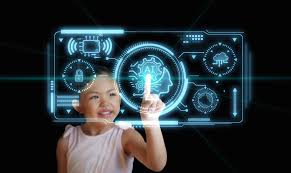
Education is entering an era where artificial intelligence no longer simply supports learning — it adapts to the learner’s mind itself. Neuroadaptive learning environments represent the next frontier of education, where cognitive neuroscience and AI intersect to create systems capable of interpreting a student’s mental state in real time and responding accordingly.
This emerging paradigm goes beyond personalization. It introduces emotion-aware, cognition-sensitive, and data-driven learning models that dynamically reshape instruction based on brain activity, attention levels, and emotional engagement. As global education systems grapple with personalization at scale, neuroadaptive technologies are redefining what it means to “teach” and “learn.”
Understanding Neuroadaptive Learning
At its core, neuroadaptive learning refers to educational systems that use physiological and neurological data to adjust instructional strategies automatically. These systems rely on tools such as EEG headsets, eye-tracking sensors, and machine learning algorithms to monitor cognitive and emotional states — such as attention, confusion, or fatigue — and then adapt content in real time.
For example, if a learner’s brain activity indicates declining focus, the system might shorten lesson length, introduce interactive challenges, or shift teaching methods to re-engage attention. The result is a responsive educational experience that mirrors human intuition but operates at digital speed and scale.
Core Components of a Neuroadaptive System
-
Neurofeedback Sensors – Devices that measure neural signals like brainwave activity to assess mental workload and engagement.
-
Affective Computing Algorithms – AI systems that interpret emotional cues from facial expressions, tone, or physiological data.
-
Adaptive Content Engines – Learning software that modifies difficulty levels, pacing, and feedback loops based on real-time input.
-
Cognitive State Modeling – Predictive analytics that map a learner’s mental patterns over time, enabling anticipatory adaptation.
-
Ethical and Privacy Frameworks – Protocols that ensure responsible data collection, consent, and transparency in educational AI.
Together, these technologies create an environment where learning evolves in harmony with the learner’s cognitive and emotional rhythms.
The Cognitive Science Behind Neuroadaptive Learning
Cognitive neuroscience has revealed that attention, emotion, and memory are deeply interconnected. Traditional e-learning models often fail because they ignore these nuances — treating learners as passive recipients rather than biologically dynamic individuals.
Neuroadaptive environments, however, are built upon key insights from cognitive load theory, neuroplasticity, and emotional regulation:
-
Cognitive Load Theory: Learning performance drops when mental effort exceeds processing capacity. Neuroadaptive systems detect overload and adjust content to maintain optimal difficulty.
-
Neuroplasticity: The brain’s ability to reorganize itself through learning allows systems to track changes over time, refining instruction as new neural connections form.
-
Emotion and Learning: Emotion heavily influences attention and memory. By recognizing frustration or boredom, AI can alter tone, visuals, or pacing to sustain motivation.
This marriage of neuroscience and machine learning represents a profound shift — from one-size-fits-all education to bio-responsive learning experiences.
How AI Powers Neuroadaptive Education
Artificial intelligence is the driving force that translates raw brain and behavioral data into actionable instructional insights. Using deep learning models, these systems analyze vast datasets of cognitive responses to predict when learners are struggling, distracted, or primed for new information.
AI doesn’t just personalize — it predicts and preempts. If a student repeatedly shows mental fatigue during advanced math problems, the system might automatically switch to micro-breaks, visual explanations, or interactive simulations that sustain engagement.
In time, neuroadaptive platforms could become as intuitive as a human tutor — sensing effort, confusion, or confidence without verbal communication.
Applications in Higher Education and Professional Training
In Higher Education
Universities are experimenting with neuroadaptive classrooms where sensors track collective attention levels during lectures. Professors can see real-time analytics showing when student focus peaks or drops, allowing for dynamic adjustments in delivery.
Neuroadaptive e-learning platforms are also transforming self-paced study. Learners receive custom feedback loops that adjust difficulty and reinforce memory through individualized reinforcement intervals.
In Professional and Corporate Learning
In corporate environments, neuroadaptive training enhances productivity and performance retention. For instance, pilot training simulations that track neural engagement can automatically increase realism or complexity as trainees demonstrate proficiency.
Healthcare, military, and engineering industries are already adopting these systems to maintain high cognitive performance under stress, ensuring learners build resilience alongside skill.
Benefits of Neuroadaptive Learning
-
Hyper-Personalization: Learners receive precisely the support they need, when they need it.
-
Increased Retention: Content delivery aligns with peak attention and optimal learning states.
-
Reduced Burnout: Adaptive pacing minimizes fatigue and frustration.
-
Objective Assessment: Real-time neural feedback provides data-driven insights beyond test scores.
-
Enhanced Equity: Systems can accommodate neurodiverse learners by recognizing cognitive differences.
Ethical and Privacy Challenges
While the potential of neuroadaptive education is immense, it raises ethical dilemmas surrounding privacy, consent, and cognitive autonomy. The collection of brainwave and emotional data must be governed by strict protocols to prevent misuse.
Educational institutions must ensure transparency in how data is gathered, stored, and interpreted. Furthermore, learners should retain control over their neural information — making “data sovereignty” a cornerstone of neuroadaptive ethics.
The Road Ahead
The fusion of neuroscience and AI is still in its early stages, but its implications are transformative. In the next decade, we may see emotionally intelligent classrooms where virtual instructors respond to empathy, curiosity, or confusion in real time.
This evolution will redefine pedagogy, demanding that educators understand not only what students learn but how their brains learn. The shift toward neuroadaptive systems may very well represent the fourth revolution in education, following the advents of literacy, printing, and digital technology.
FAQs on Neuroadaptive Learning
1. How does neuroadaptive learning differ from traditional adaptive learning systems?
Traditional adaptive systems rely on behavioral data (like quiz results), while neuroadaptive systems use physiological and neurological signals for deeper insight into the learner’s cognitive state.
2. What technologies enable neuroadaptive learning?
Core technologies include EEG headsets, eye-tracking sensors, affective computing, and machine learning algorithms that analyze neural and emotional data.
3. Is neuroadaptive learning only for advanced education or can it be used in schools?
While most applications are currently in higher education and corporate training, simplified neuroadaptive tools could soon enhance K–12 classrooms by helping teachers gauge student engagement in real time.
4. What are the main ethical concerns of neuroadaptive learning?
The biggest concerns include data privacy, informed consent, algorithmic bias, and potential misuse of brain data for non-educational purposes.
5. How can educators prepare for neuroadaptive technologies?
Educators should begin by understanding data literacy, cognitive science principles, and the ethical use of AI tools in classroom settings.
6. Will neuroadaptive learning replace human teachers?
No — it’s designed to augment, not replace, educators by providing real-time cognitive insights that help teachers deliver more effective instruction.
7. What is the long-term potential of neuroadaptive education?
In the long run, it could lead to fully immersive, emotion-aware learning environments capable of tailoring every element of education — from pacing to pedagogy — to the unique neural patterns of each learner.