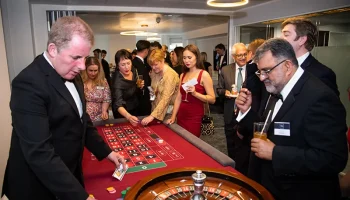
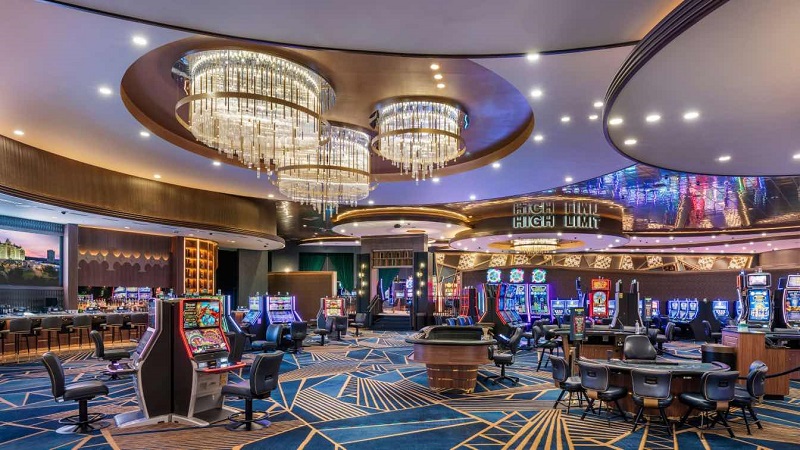
For decades, the standard caricature of a casino interior was deliberately claustrophobic: low acoustic tile ceilings, relentless neon glare, maze-like aisles of machines, and an intentional absence of natural light or clocks. The underlying theory held that disorientation kept patrons rooted to their seats. While that aggressive layout strategy dominated the late twentieth century, contemporary hospitality has completely rejected it. Today, the world’s most successful gaming destinations recognize a far more enduring commercial truth: physical discomfort accelerates guest fatigue, while thoughtful, restorative interior architecture prolongs engagement.
Modern casino resorts operate as comprehensive lifestyle ecosystems where gaming shares equal billing with fine dining, world-class spas, convention spaces, and luxury lodging. Creating an environment where visitors willingly spend multiple consecutive days requires an extraordinary command of spatial psychology. Interior designers no longer construct labyrinthine traps. Instead, they calibrate every surface, sightline, lighting temperature, and acoustic layer to create an atmosphere of effortless physical and mental comfort.
The Paradigm Shift from Sensory Overload to Spatial Sanctuary
The modern transformation of gaming floors represents one of the most radical philosophical shifts in commercial architecture. Designers moved away from high-friction, enclosed layouts in favor of open, intuitive environments often described as playground design. This model prioritizes dramatic vertical volume, generous walkways, and distinct architectural landmarks that give visitors an immediate, comforting sense of orientation.
High ceilings do far more than convey grandeur; they serve a vital physiological function. Soaring vertical clearances allow ambient noise and air volume to disperse, preventing the stifling, crowded sensation that historically plagued gaming halls. When guests can easily spot a glowing perimeter lounge, a dramatic central chandelier, or an expansive garden courtyard, their baseline stress drops significantly. Navigational autonomy directly influences physical relaxation, allowing visitors to wander without the subtle, subconscious anxiety of feeling trapped.
Ergonomic Precision at the Point of Play
A guest can appreciate striking architecture upon entry, but their physical relationship with the resort quickly narrows to the immediate space they occupy for hours at a time. The physical interface between player and game requires meticulous ergonomic engineering.
Advanced Seating and Postural Support
Nowhere is the marriage of interior design and physiology more apparent than in seating selection. Standard hospitality chairs are thoroughly inadequate for an environment where guests might sit across several continuous hours. Premium casino chairs are precision-engineered pieces of furniture featuring multi-density molded foam, integrated lumbar supports, heavy-gauge steel bases, and waterfall seat fronts designed to alleviate pressure behind the knees.
For table games, seat height must harmonize perfectly with the padded armrests along the table rim, keeping wrists and forearms aligned at a neutral angle. Slot seating often incorporates pneumatic height adjustments, swivel mechanisms with auto-return centering, and subtle footrests integrated directly into the machine base. When an occupant does not have to constantly adjust their posture to compensate for poor spinal support, mental fatigue is held at bay.
Tactile Materials and Edge Dynamics
Tactile comfort is equally decisive. Sharp corners, abrasive laminates, and cold, unyielding plastics have been systematically phased out of modern resort floors. Padded bolsters on blackjack and poker tables are wrapped in supple, breathable leather or high-performance coated textiles that offer cushioning without absorbing body heat. Countertops at high-limit cages and cashier stations utilize beveled, polished stone or warm natural hardwoods that feel inviting beneath resting palms. By eliminating rigid contact points, designers remove the physical irritants that quietly cut an evening short.
Atmospheric Lighting and Circadian Harmony
Illumination is arguably the most potent tool in an interior designer’s arsenal, governing biological rhythms, visual acuity, and emotional serenity. The harsh, unflinching fluorescent fixtures of the past created immense optical strain, causing eye dryness, headaches, and premature exhaustion. Modern casino lighting is layered, indirect, and exceptionally warm.
Rather than relying on continuous overhead flooding, designers employ zoned lighting schemas calibrated between 2700K and 3000K. These warm color temperatures evoke hearth-like relaxation while flattering human skin tones, which subtly boosts social confidence. Narrow-beam spotlights illuminate the playing surface of a craps table or the reels of an electronic cabinet without spilling glare into neighboring corridors.
Crucially, leading resort architects have reintroduced daylight into perimeter zones. Far from breaking the spell of the floor, floor-to-ceiling windows overlooking manicured pool terraces, mountain vistas, or desert gardens anchor guests to the natural day-night cycle. This visual connection to the outside world restores mental bandwidth, offering a rejuvenating counterpoint to the vibrant energy of the gaming pit.
Acoustic Softening and the Mastery of Ambient Sound
A casino is naturally energetic, punctuated by chiming jackpots, rolling dice, laughing crowds, and the movement of chips. Left unmanaged, these competing sound frequencies quickly form an abrasive auditory wall that induces sensory exhaustion. Creating acoustic comfort does not mean silencing the room; it means sculpting the soundscape so that human conversation remains effortless.
Designers achieve this balance through hidden absorptive infrastructure:
-
High-density, custom-woven wool-blend carpets paired with heavy urethane sub-padding absorb floor-level impact noise and foot traffic reverberation.
-
Sculptural ceiling baffles and decorative wall panels wrapped in acoustic micro-perforated fabrics trap high-frequency treble from digital games before it can bounce across hard surfaces.
-
Curved spatial transitions disrupt parallel flat walls, preventing unwanted flutter echoes from building within open corridors.
When acoustic treatments effectively capture ambient clutter, guests can converse comfortably at normal speaking volumes without straining their voices or struggling to understand their companions. That conversational intimacy transforms what could be an overwhelming warehouse of machines into a collection of welcoming micro-lounges.
Intuitive Flow and Restorative Decompression Zones
Comfort inside a world-class resort extends well beyond static seating; it depends heavily on how effortlessly a visitor moves between contrasting spaces. The physical journey from a lively casino pit to a tranquil hotel elevator bank should feel like a seamless, intuitive transition rather than a disorienting shock to the nervous system.
Designers intentionally weave low-sensory decompression zones throughout the resort floor plan. These transitional buffer areas feature softer acoustic profiles, deeper lounge seating, dim accent lighting, and biophilic elements such as living green walls, indoor reflecting pools, or cascading water features. These spaces act as emotional reset buttons. When a visitor feels overwhelmed by sensory stimulation, they do not need to retreat all the way to their hotel suite to recuperate. They can step twenty yards off the main promenade into a subdued alcove, recharge their senses, and re-engage with the property on their own terms.
The modern casino resort succeeds because it respects the physical and cognitive limits of the human body. By shifting the design mandate from entrapment to genuine hospitality, forward-thinking interior architects have proven that physical ease and commercial vitality are entirely complementary. When spacious floor plans, supportive seating, warm circadian illumination, and acoustic harmony converge, comfort stops being an invisible luxury and becomes the defining reason guests return year after year.