
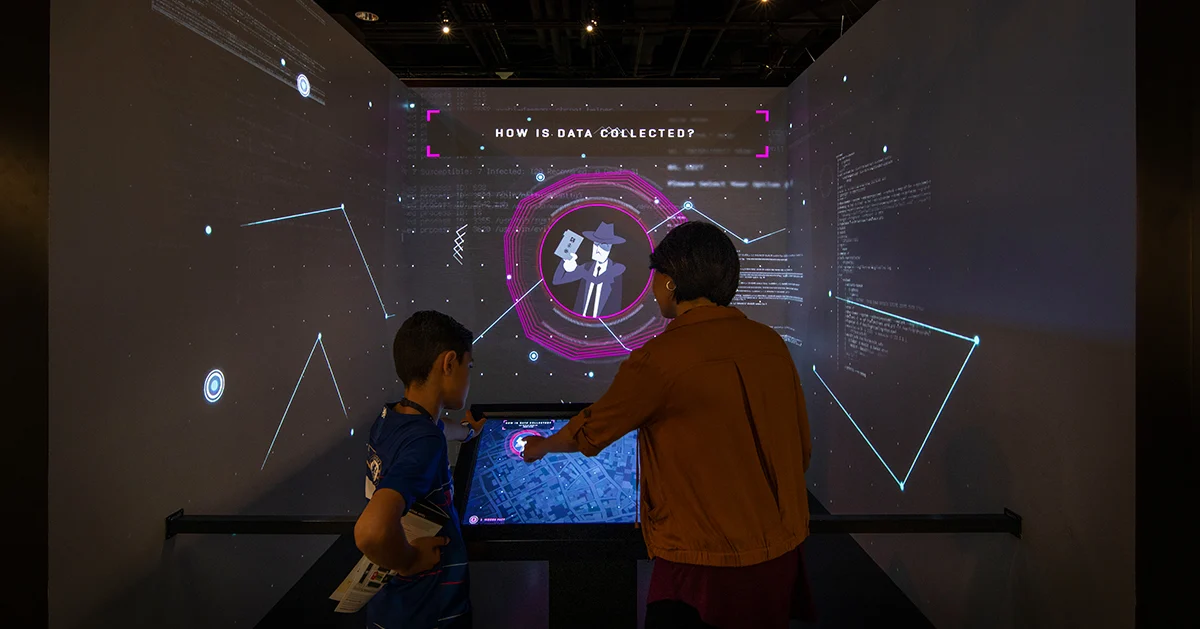
The entertainment industry has always been a mirror of technological innovation, but in the post-digital era, the convergence of Artificial Intelligence (AI), Virtual Reality (VR), and Interactive Media is reshaping how audiences consume and participate in content. No longer confined to passive observation, entertainment now emphasizes immersive experiences, personalization, and active engagement, blending the boundaries between creators and consumers. This transformation is not just a trend; it marks a fundamental shift in how stories are told, how music is performed, and how digital experiences are curated.
AI-Powered Content Creation: Beyond Human Imagination
AI is no longer just a tool; it has become a co-creator in entertainment. From music composition to film scripting, AI algorithms are capable of generating content that mimics human creativity while enhancing it with data-driven insights. Platforms leveraging AI can analyze millions of audience interactions, predicting trends and customizing content to individual preferences.
Transforming Storytelling
-
Personalized Narratives: AI systems can adapt storylines in real-time, offering unique experiences for each viewer.
-
Enhanced Creativity: AI assists writers, composers, and directors by generating suggestions or alternative story arcs.
-
Efficiency in Production: Repetitive tasks, such as visual effects rendering or background music creation, are automated, reducing production timelines.
-
Data-Driven Engagement: Viewer behavior analysis allows creators to optimize pacing, themes, and character development for maximum impact.
The implications extend beyond efficiency; AI enables entirely new forms of entertainment, where content evolves dynamically according to audience interaction and preference.
Virtual Reality: Immersive Worlds and Live Experiences
Virtual Reality has evolved from a novelty to a core medium in entertainment. Beyond gaming, VR is now being used to craft immersive narratives, virtual concerts, and interactive exhibitions that transform how audiences experience content.
VR in Live Music and Theater
-
Global Accessibility: Fans can attend live concerts and theater performances from anywhere, breaking geographical limitations.
-
Immersive Interaction: VR provides a 360-degree view of performances, making audiences feel present in the environment.
-
Enhanced Storytelling: Virtual sets and environments allow directors and musicians to craft experiences that would be impossible in the physical world.
-
Innovative Fan Engagement: VR enables backstage access, interactive meet-and-greets, and gamified participation in performances.
This immersive dimension not only enhances entertainment but also allows artists to experiment creatively, merging visual, auditory, and interactive elements.
Interactive Media: Empowering the Audience
Interactive media bridges the gap between consumer and creator, offering audiences agency over narratives, gameplay, or digital experiences. Unlike passive viewing, interactive media emphasizes decision-making, exploration, and multi-path engagement, which significantly increases retention and emotional connection.
Key Features of Interactive Entertainment
-
Branching Narratives: Stories change based on audience choices, creating personalized experiences.
-
Gamification Elements: Points, challenges, and achievements encourage engagement and repeat interaction.
-
Mixed Reality Integration: AR and VR layers allow users to interact with digital content in real-world environments.
-
Community Participation: Social media integration fosters collaboration and competition among users.
Interactive media transforms entertainment from a static product into a dynamic experience, empowering audiences to co-create their journey.
The Synergy of AI, VR, and Interactive Media
While each technology independently enhances entertainment, their convergence creates unprecedented opportunities:
-
Adaptive VR Worlds: AI-driven algorithms can modify virtual environments in real-time based on audience behavior or preferences, creating highly personalized immersive experiences.
-
AI-Enhanced Interactive Storytelling: In gaming and interactive films, AI can dynamically generate plotlines, character reactions, and outcomes, making each playthrough unique.
-
Hybrid Entertainment Formats: Combining VR, AR, AI, and interactive media enables multi-sensory experiences, blending visual, auditory, and tactile interactions in ways previously unimaginable.
The synergy fosters an ecosystem where audiences are not just consumers but co-creators, leading to more engaging, meaningful, and personalized entertainment.
Implications for the Entertainment Industry
The post-digital convergence has significant implications for creators, consumers, and platforms:
-
For Creators: AI and interactive tools reduce barriers to innovation, allowing for experimentation with complex narratives and immersive worlds.
-
For Audiences: Entertainment is no longer passive; consumers have agency, interactivity, and personalization at their fingertips.
-
For Platforms: Companies can leverage AI analytics and immersive content delivery to enhance engagement, monetize new formats, and retain audiences longer.
-
Economic Impact: Lower production costs, scalable virtual experiences, and global reach create opportunities for new revenue streams and cross-industry collaborations.
Challenges and Ethical Considerations
Despite the potential, the convergence of AI, VR, and interactive media raises ethical and practical challenges:
-
Data Privacy: AI relies heavily on audience data to deliver personalized experiences, raising concerns about user consent and data security.
-
Digital Divide: Access to VR and interactive media requires hardware that may not be available to all demographics.
-
Content Authenticity: AI-generated content blurs lines between human and machine creation, raising questions about authorship and originality.
-
Psychological Impact: Highly immersive experiences may affect user perception, social interaction, and mental health.
Addressing these challenges will require responsible innovation, ethical guidelines, and industry standards to ensure that the benefits of immersive entertainment are widely accessible.
The Future of Post-Digital Entertainment
Looking ahead, the convergence of AI, VR, and interactive media is likely to drive new genres and formats, including:
-
Virtual Reality Cinemas: Fully immersive film experiences where viewers can explore the environment and influence the plot.
-
AI-Generated Music Festivals: Performances where AI composers adapt live music dynamically based on audience engagement.
-
Mixed-Reality Social Experiences: Platforms that integrate gaming, social interaction, and virtual environments for collaborative storytelling.
The post-digital era will redefine what it means to experience entertainment, emphasizing interactivity, personalization, and immersion at every level.
Frequently Asked Questions (FAQ)
1. How does AI personalize entertainment experiences?
AI analyzes user behavior, preferences, and interactions to adapt storylines, suggest content, or generate music and visual effects tailored to individual tastes.
2. Can VR experiences replace live performances entirely?
While VR offers immersive alternatives, live performances retain social and emotional elements. VR supplements rather than replaces traditional experiences.
3. What are interactive media’s main advantages?
Interactive media increases engagement, encourages repeat interaction, and allows audiences to shape their experience, creating deeper emotional connections.
4. Are AI-generated films considered authentic works of art?
This is subjective. While AI contributes creatively, the role of human curation and oversight is critical in defining authenticity and artistic value.
5. What hardware is required for immersive VR entertainment?
High-quality VR headsets, motion controllers, and compatible computing devices are typically required for optimal experiences.
6. How can creators balance innovation with ethical concerns?
Creators must prioritize user privacy, ensure transparency in AI use, and consider the psychological and social impact of immersive experiences.
7. What’s the long-term impact of post-digital convergence on the entertainment industry?
It will lead to a more participatory, personalized, and immersive entertainment ecosystem, opening new creative and economic opportunities while reshaping audience expectations.


