
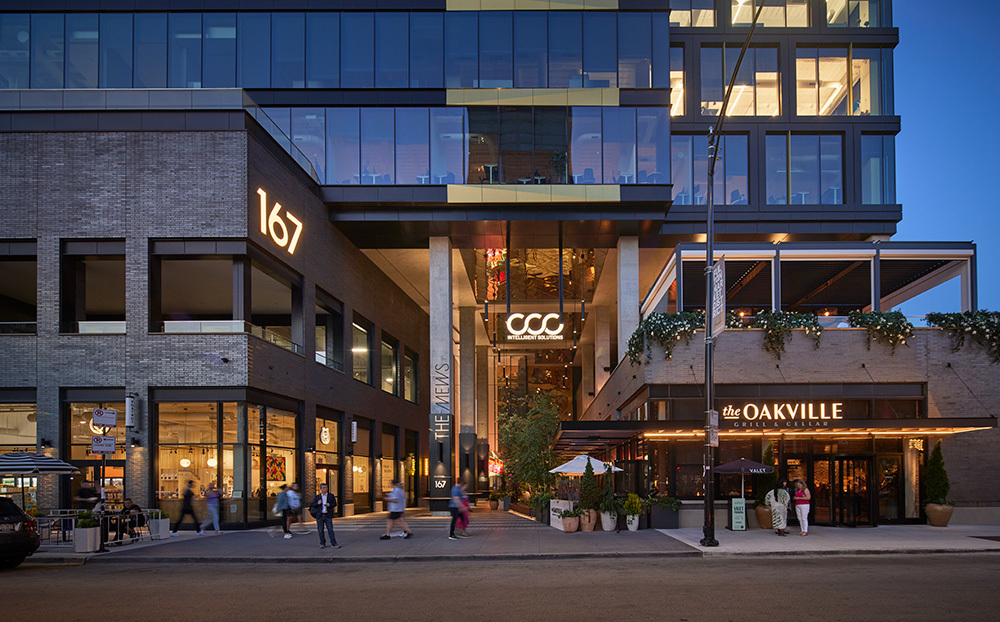
In recent years, urban real estate development has undergone a transformative shift. Cities around the world are embracing mixed-use real estate developments, combining residential, commercial, and leisure spaces into cohesive, sustainable urban ecosystems. These developments are redefining how people live, work, and interact with their communities, offering a sophisticated alternative to traditional single-use zoning.
Understanding Mixed-Use Real Estate
Mixed-use real estate refers to projects that integrate multiple functionalities within a single development. These developments often feature:
-
Residential units such as apartments or condos
-
Commercial spaces including offices, retail shops, and restaurants
-
Cultural and recreational facilities like theaters, gyms, and public parks
Unlike conventional projects that isolate residential areas from commercial zones, mixed-use properties encourage interaction and accessibility. This integration fosters vibrant communities, reduces commuting times, and promotes sustainable urban living.
Why Investors Are Flocking to Mixed-Use Developments
The surge in popularity of mixed-use real estate is not just a trend; it reflects market-driven demand for convenience and lifestyle integration. Investors are increasingly drawn to these projects for several compelling reasons:
1. Diversified Revenue Streams
A mixed-use development generates income from multiple sources. While residential units provide rental or sale income, commercial spaces attract business tenants, and retail or leisure areas can yield additional revenue through leasing or partnerships. This diversification reduces investment risk by creating multiple income channels.
2. Increased Property Value
Properties in mixed-use developments often appreciate faster than single-use properties. The integration of commercial and residential components creates a self-sustaining ecosystem where residents have immediate access to essential services, increasing overall demand and property value.
3. Urban Demand and Lifestyle Trends
Modern urban dwellers prioritize convenience, walkability, and access to amenities. Mixed-use developments align perfectly with these trends, catering to a generation that values experiences over mere ownership. Developers who anticipate these lifestyle shifts are well-positioned to capitalize on long-term growth.
Strategic Design Elements of Mixed-Use Projects
A successful mixed-use development requires meticulous planning and design. Developers must balance functionality, aesthetics, and community needs. Some key considerations include:
Zoning Flexibility
City planners and developers need to navigate complex zoning laws to accommodate multiple uses within a single development. Flexible zoning regulations allow projects to combine residential, commercial, and recreational spaces without regulatory conflicts.
Integrated Infrastructure
Efficient transportation, parking facilities, and pedestrian pathways are essential. Developments that prioritize accessibility and connectivity enhance resident satisfaction and attract commercial tenants.
Sustainable Architecture
Sustainability is no longer optional. Mixed-use developments increasingly incorporate green building practices, energy-efficient designs, and environmentally friendly materials to reduce operating costs and appeal to eco-conscious consumers.
Community-Oriented Design
Mixed-use spaces thrive when they foster a sense of community. Plazas, public parks, communal workspaces, and cultural hubs create environments where people naturally congregate, promoting social interaction and community cohesion.
Challenges in Mixed-Use Real Estate Development
While the potential for high returns is substantial, mixed-use developments present unique challenges that investors and developers must navigate carefully.
1. Complex Financing Structures
Unlike single-use projects, mixed-use developments often require multi-layered financing. Investors must secure funding for residential, commercial, and recreational components simultaneously, which can complicate capital allocation and risk assessment.
2. Regulatory Hurdles
Navigating urban regulations is critical. Mixed-use projects may face stricter building codes, safety regulations, and environmental requirements than traditional developments. Collaborating with experienced urban planners and legal experts is essential to avoid costly delays.
3. Market Volatility
The success of a mixed-use project depends on both residential and commercial demand. Economic downturns that affect commercial tenants or reduce consumer spending can impact overall profitability. Market research and demand forecasting are crucial to mitigate these risks.
The Role of Technology in Modern Mixed-Use Developments
Technology has become a driving force in shaping the future of mixed-use real estate. Developers are leveraging proptech solutions to enhance operational efficiency and tenant satisfaction:
-
Smart building systems: Automated energy management, climate control, and security systems improve efficiency and reduce costs.
-
Data-driven insights: Analytics tools monitor occupancy, foot traffic, and tenant behavior, allowing developers to make informed decisions.
-
Digital leasing platforms: Streamlined leasing processes and tenant management enhance convenience for both residents and commercial tenants.
Case Studies: Successful Mixed-Use Projects
Examining successful projects provides insight into best practices and innovative strategies in mixed-use development:
Hudson Yards, New York City
Hudson Yards integrates luxury residences, office towers, retail spaces, and cultural centers within a single district. Its strategic urban planning and architectural innovation have made it one of the most successful mixed-use developments in the United States.
Canary Wharf, London
Canary Wharf is a prime example of integrating financial offices, high-end residences, retail, and recreational spaces. Its connectivity to public transit and emphasis on community-oriented spaces has driven long-term commercial and residential growth.
Marina Bay Sands, Singapore
Marina Bay Sands demonstrates the potential of mixed-use developments in tourism-centric cities. Combining luxury hotels, retail, entertainment, and convention centers, it maximizes both visitor experience and revenue generation.
Investment Strategies for Mixed-Use Real Estate
Investing in mixed-use real estate requires a strategic approach to maximize returns and minimize risks. Key strategies include:
-
Target emerging urban hubs: Cities undergoing rapid urbanization or revitalization often present high-value investment opportunities.
-
Partner with experienced developers: Collaborating with developers who understand zoning, design, and market demand improves project success rates.
-
Diversify property types within the development: Balancing luxury residential units with affordable housing, retail, and office spaces ensures broad market appeal.
-
Leverage tax incentives and government programs: Many cities offer incentives for sustainable or urban redevelopment projects, which can boost profitability.
Future Trends in Mixed-Use Real Estate
The future of urban development points toward greater integration, technology adoption, and sustainability:
-
Smart Cities Integration: Mixed-use developments will increasingly incorporate IoT, AI-driven building management, and predictive analytics for efficient urban living.
-
Health and Wellness Focus: Post-pandemic lifestyles emphasize wellness, prompting developers to integrate green spaces, fitness amenities, and mental health-conscious designs.
-
Flexible Workspaces: With the rise of hybrid work models, mixed-use projects will prioritize co-working spaces, modular offices, and adaptable commercial areas.
Conclusion
Mixed-use real estate development represents a paradigm shift in urban planning, blending residential, commercial, and recreational spaces to create vibrant, sustainable communities. For investors, developers, and urban planners, these projects offer substantial opportunities—if approached strategically. Understanding market demand, embracing technology, navigating regulatory frameworks, and prioritizing community integration are essential to maximizing success in this dynamic sector.
Frequently Asked Questions (FAQs)
1. What differentiates mixed-use developments from traditional real estate projects?
Mixed-use developments integrate multiple functionalities, such as residential, commercial, and recreational spaces, creating self-sustaining communities rather than segregated zones.
2. Are mixed-use developments more profitable than single-use projects?
Potentially yes, due to diversified income streams, higher property value appreciation, and greater appeal to modern urban lifestyles.
3. What are the primary risks involved in mixed-use investments?
Risks include complex financing, market volatility, and regulatory hurdles. Thorough planning and market analysis can mitigate these challenges.
4. How does technology enhance mixed-use real estate?
Smart building systems, data analytics, and digital leasing platforms improve efficiency, optimize operations, and enhance tenant experiences.
5. Which urban areas are ideal for mixed-use projects?
Emerging cities, revitalized urban hubs, and high-density metropolitan areas with strong infrastructure and growth potential are ideal locations.
6. How important is community-oriented design in these projects?
Extremely important. Community spaces, plazas, parks, and cultural hubs promote social interaction, satisfaction, and long-term engagement with the development.
7. Will mixed-use developments remain relevant in the future?
Yes. Trends like smart cities, wellness-focused living, and flexible workspaces indicate growing demand for integrated urban ecosystems.